News & Information
Home > News > Article Detail
Have you ever had this experience — watching a chef in a restaurant toss fried rice in a wok, each grain distinct, golden and tempting, yet when you try it at home, the rice either clumps together or sticks to the bottom of the pan? Especially when you want to make a larger batch for family and friends, the result is even more disastrous — a sticky, mushy "rice porridge" that kills your appetite. Don't be quick to blame your cooking skills. Often, the root cause of failed fried rice lies in choosing the wrong rice.
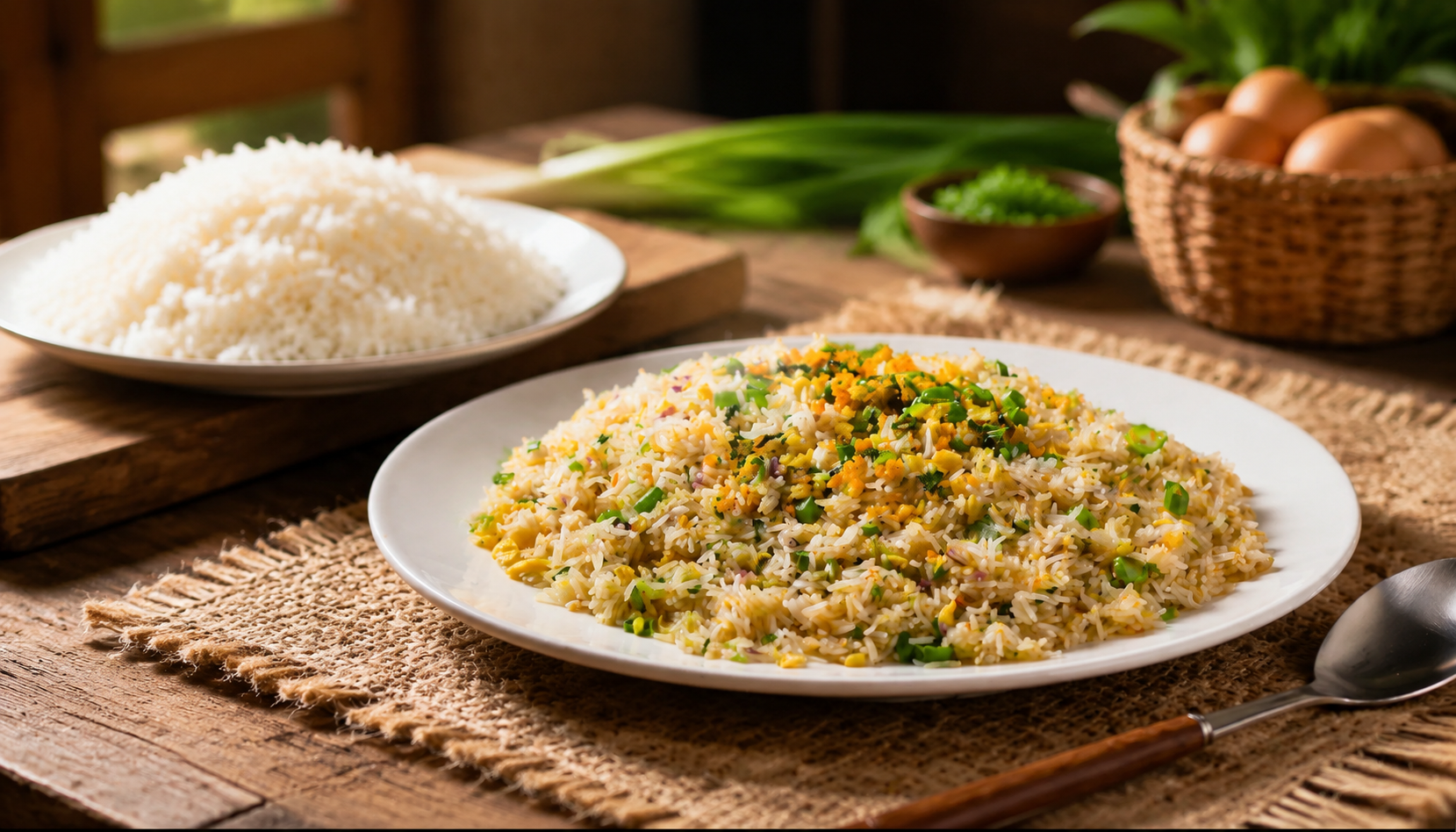
Regular rice, once cooked, has a high amylopectin content, making the grains moist and sticky. It's great for porridge or donburi, but a disaster for fried rice. It not only sticks to the pan easily but is also hard to break apart, leading to uneven seasoning and poor texture. To solve this pain point, I recently got my hands on this Fried Rice Rice 10kg for Hotels, Restaurants, Commercial Use, Grains Separate, No Stickiness, to see if it lives up to the hype.
Niannianfeng's fried rice rice is specifically designed for fried rice, with the key selling point being "grains separate, no stickiness." It uses high-quality long-grain indica rice, characterized by a relatively high amylose content. The higher the amylose content, the better the independence of each grain after cooking, and the drier the surface, making them less prone to sticking together. It's like giving each grain a "non-stick coating," laying a solid foundation for subsequent stir-frying.
I conducted a comparison experiment with my usual Northeast rice. Using the same rice cooker and the same cooking program (with 10% less water than usual), the results were like night and day:
* Regular Rice: After cooking, the grains were plump but moist. When stirred with chopsticks, the stickiness was obvious. Even after cooling, it improved somewhat but was still prone to clumping.
* Niannianfeng Fried Rice Rice: After cooking, the grains were elongated. A gentle nudge with chopsticks separated them easily. The surface felt slightly dry to the touch, not sticky. Even when freshly cooked, the grains showed no tendency to clump together.
This difference became incredibly apparent during frying. When the rice grains are inherently independent, your subsequent stir-frying workload is greatly reduced, and it's much easier to evenly coat each grain with seasonings and eggs.
I used this Fried Rice Rice 10kg for Hotels, Restaurants, Commercial Use, Grains Separate, No Stickiness to make fried rice several times, including the classic egg fried rice and Yangzhou fried rice. The experience was excellent.
#### 1. Cooking Rice: Water Ratio is Key
Although it's a special fried rice rice, controlling the water amount is still crucial. I recommend a 1:1 ratio of rice to water, which is less than usual. Why? Fried rice requires dry grains. Too much water affects the grains' firmness and independence. Even the best fried rice rice can't handle a "bath." After cooking, I spread the rice on a large plate and let it cool at room temperature for at least 2 hours. Overnight refrigeration is even better, allowing further moisture evaporation and making the grains firmer.
#### 2. Stir-frying: High Heat and Fast Action are Key
Heat the wok, add enough oil, and when it's slightly smoking (around 200°C), add the beaten eggs. Immediately scramble them with a spatula. When they're about 70-80% done, with edges slightly set but the center still a bit runny, remove them immediately. Why? This ensures the eggs are tender and smooth. When mixed with the rice later, they'll coat the grains better instead of becoming dry, hard chunks.
Leave a little oil in the wok, keep the heat high, and add the cooled rice. This is where you'll feel the advantage of this fried rice rice — the grains separate with a gentle push of the spatula, with no sticking. I stir-fry over medium heat for about 2 minutes, hearing the grains bounce in the wok with a "rustling" sound — a sign of dry, separate grains. Then, add the previously cooked eggs and your favorite ingredients (like diced ham, corn kernels, carrot cubes). Continue stir-frying over high heat for another minute. Finally, add seasonings like half a teaspoon of salt and a little light soy sauce. Stir-fry for another 30 seconds to evenly coat each grain.
#### 3. Texture: Crispy on the Outside, Chewy on the Inside, Aromatic
The fried rice turns out golden yellow, each grain evenly coated with egg and sauce. When you bite into it, the outer layer has a slight charred aroma, while the inside remains springy and chewy. The rice fragrance blends with the egg and the savory notes of the other ingredients, creating a rich, layered flavor. Even after cooling for a while, the grains maintain their independence, neither hardening nor clumping. This texture truly matches what I've had in restaurants. For smaller portions, you can also try Fried Rice Special Rice for Hotels, Restaurants, Commercial Use, Grains Separate, Non-Stick Pan, 5KG.
Even with good fried rice rice, the most common mistake at home is adding too much rice and ingredients to the wok at once. Why? Home stoves usually don't have the intense heat of restaurant burners. If the wok is overcrowded, the temperature drops rapidly. The rice can't heat up and dehydrate quickly; instead, it steams, releasing moisture and becoming wet and sticky, losing its dry texture. Also, too many ingredients prevent the rice from making proper contact with the hot wok surface, making it hard to achieve that charred aroma.
Solution: It's better to cook in batches than to be greedy. I recommend frying 1-2 servings (about 200-300 grams of rice) at a time in a home wok. If you need more, fry in two batches or use two woks simultaneously. Also, pre-cooking your ingredients is key to maintaining wok temperature and preventing the rice from getting soggy.
After several tests, this Fried Rice Rice for Hotels, Restaurants, Commercial Use, Grains Separate, Q-Texture, Non-Stick, Easy to Cook, 10kg truly lives up to its name. It fundamentally solves the problem of rice sticking together in fried rice, making it incredibly easy and successful to make at home. For home users who crave perfect fried rice or for food service businesses needing consistent quality, this rice is a worthwhile investment. The 10kg package might seem large, but considering its quality and usage frequency, the value for money is excellent.
Next time you make fried rice, besides eggs and shrimp, try adding some XO sauce or chopped kimchi for an extra layer of flavor!
Q1: What if I don't have leftover rice? Can I use freshly cooked rice?
A1: Yes, but it needs special treatment. Spread freshly cooked rice on a large plate immediately. Use a fan to cool it or refrigerate it for at least 2 hours. This quickly lowers the temperature and evaporates excess moisture, making the grains dry and firm. The colder and harder the rice, the easier it is to achieve separate grains when frying.
Q2: What's the best wok for fried rice? Can I use a non-stick pan?
A2: A cast iron wok or stainless steel wok is best. They have high heat retention, providing the intense heat needed for fast frying. Non-stick pans, while preventing sticking, usually heat up slowly and cool down quickly. The heat isn't intense enough, resulting in less aroma and "wok hei." If using a non-stick pan, make sure it's very hot before adding the rice.
Q3: Should I salt the rice before frying?
A3: It's not recommended. Salt draws out moisture from the rice, making it wet and affecting the dryness of the fried rice. The best practice is to add salt, light soy sauce, and other seasonings towards the end of the stir-frying process, just before removing from the wok. Stir quickly to combine. This ensures flavor while maintaining the rice's texture.
Q4: The fried rice isn't hot enough, affecting the texture. What should I do?
A4: This usually happens because the wok isn't hot enough or too much rice is added at once. Ensure the wok is smoking before adding oil, and the oil is hot before adding the rice. If using rice straight from the fridge, let it sit at room temperature for 30 minutes, or microwave it for a few seconds to remove some chill. This helps it heat up and break apart more easily in the wok.
Q5: Besides fried rice, can this rice be used for other dishes?
A5: Absolutely. While designed for fried rice, its separate, Q-textured grains make it excellent for clay pot rice, where the grains absorb the broth well and form a delicious crispy crust at the bottom. It's also a good choice for sushi rice, as the grain independence and chewiness enhance the sushi experience.