News & Information
Home > News > Article Detail
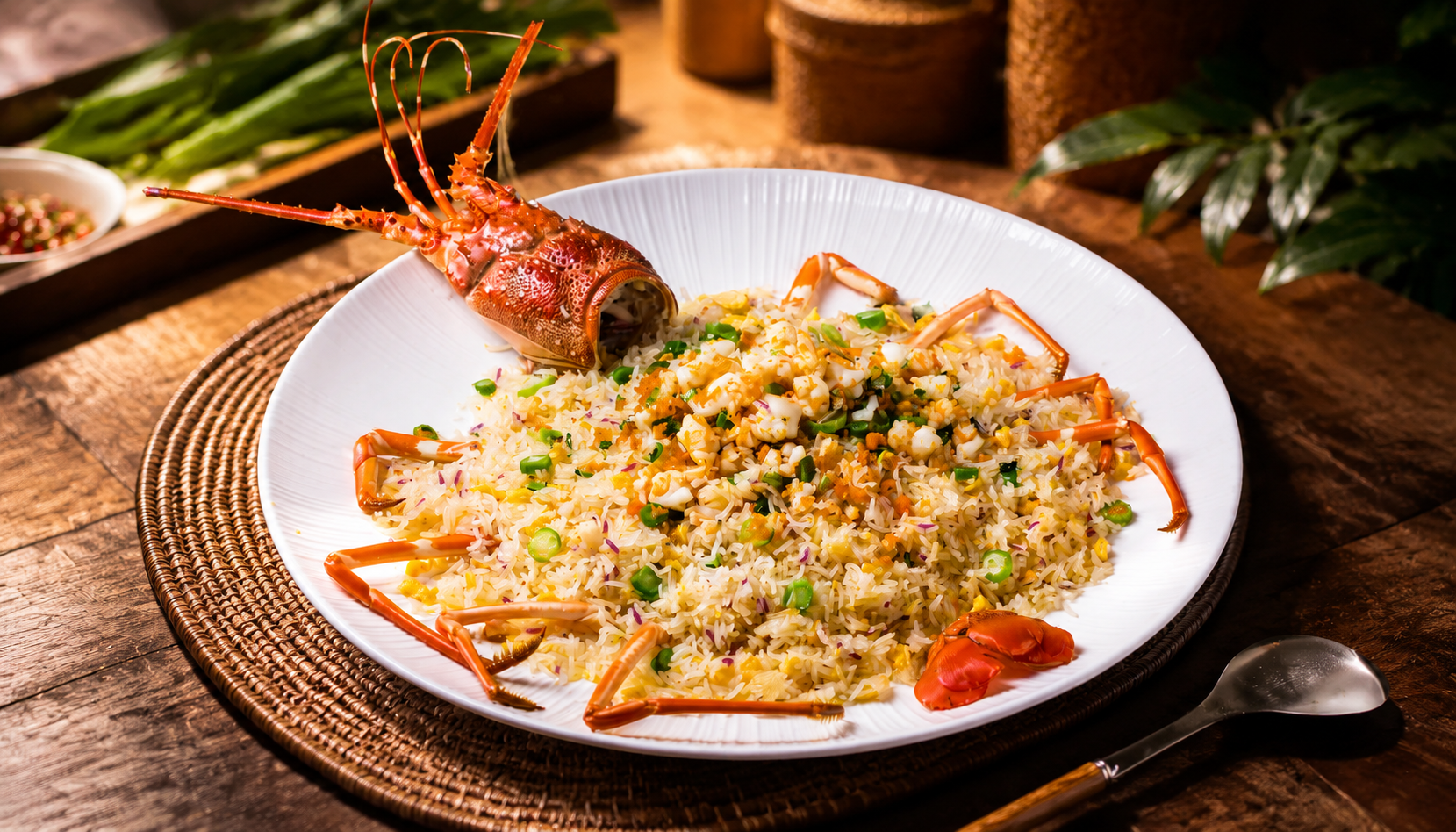
Fried rice always sticks to the pan, the grains clump together into a sticky mess, or it turns out dry and chewy? Don't always blame your skills. Having worked in the kitchen for decades, I've seen countless people stumble on this. At the end of the day, the key to fried rice isn't how flashy your wok tossing is, but starting from the source—the rice. If you use the wrong rice and cook it the wrong way, even the best culinary skills won't save you.
Pain Point: Why is your fried rice always just missing the mark?
Many people grab whatever rice they usually eat at home, cook it, and toss it straight into the wok. That's the first big mistake. Everyday rice, especially those soft, sticky, and sweet varieties like Northeast China rice or Japanese rice, are mostly japonica rice. They have low amylose content and high amylopectin content. This type of rice is soft and sticky, absorbs a lot of water, and is great for porridge or donburi. But when you fry it, it easily turns into a pasty clump, absorbs too much oil, and tastes greasy.
【The Right Way】Choose the Right Rice: Use "Firm" Rice for Fried Rice
For fried rice, you need long-grain indica rice. This type of rice has high amylose content, so the grains stay separate after cooking, don't stick easily, and have a firm, chewy texture. Especially rice like the Fried Rice Special Rice Hotel Restaurant Commercial Use Grain Separate Non-Stick 5KG commonly used in our kitchens, which is optimized specifically for fried rice. Its grains are plump, cook up distinct and separate, and can evenly coat with oil and seasonings, resulting in that dry, springy, Q-textured fried rice.
The brand Nian Nian Feng has been making fried rice rice for thirty years, relying on selecting the right rice variety and unique processing techniques. Their rice, when stir-fried, has a microporous structure on the grain surface, allowing for even oil absorption, and it doesn't harden when cooled. If you run a restaurant or cook large batches of fried rice at home, consider the Fried Rice Rice Hotel Restaurant Commercial Use Grain Separate Q-Texture Non-Stick Easy Cook 10kg in bulk packaging. To learn more about choosing rice, check out this article: How to Choose Fried Rice Special Rice vs. Regular Daily Rice: The Secret to Separate Grains and Non-Stick - mpw3ocbo0.
【Wrong Way】 vs 【Right Way】—— Cooking the Rice
Choosing the right rice is just the first step. How you cook the rice is equally crucial.
* Wrong Way: Adding too much water, cooking it soft and mushy, or using it piping hot straight from the cooker.
* Reason: Rice with excessively high moisture content has severe starch gelatinization, making the grains very sticky. Adding hot rice directly to the wok causes a rapid temperature drop, making it easier for water to release, stick to the pan, and difficult to separate.
* Right Way:
1. Precise Water-to-Rice Ratio: For regular cooking, the water-to-rice ratio might be 1.2:1 or even higher. But for fried rice, the ratio should be controlled at 1:1, or even slightly less (e.g., 1 cup of rice to 0.9 cups of water). This yields firmer rice with plump, chewy grains—the perfect "skeleton" for fried rice.
2. Cool Thoroughly After Cooking: Once the rice is cooked, don't rush to open the lid. Let it steam in the pot for 5 minutes. Then, immediately transfer it out, spread it flat on a large plate, and gently fluff it with chopsticks or a spoon to release steam. Next, refrigerate for at least 4 hours, preferably overnight. Refrigeration allows further moisture evaporation, making the grains drier and firmer. The amylose retrogrades, preventing sticking during frying and making it easier to achieve that "wok hei" (breath of the wok).
* Note: Chilled rice will be slightly harder, which is exactly what we want. When fried, the grains can better absorb oil and seasonings.
【Wrong Way】 vs 【Right Way】—— Frying Technique and Heat
With the rice ready, it's time for the actual cooking. This is where the huge difference between a home stove and a restaurant's powerful wok burner comes in. Restaurant burners often have 40,000 BTUs or more, providing intense heat that instantly evaporates surface moisture from the rice, creating "wok hei." Home stoves max out around 10,000 BTUs, so you need technique to compensate for the lack of power.
* Wrong Way:
1. Adding oil before the wok is hot, and adding rice before the oil is hot.
2. Dumping the entire mass of rice into the wok and constantly poking and stirring with the spatula.
3. Trying to fry a large batch of rice at once to save time.
* Right Way:
1. Heat the wok until smoking, heat the oil until 70% hot: Heat the empty wok on high heat for 2 minutes until the sides are slightly red and you feel intense heat holding your hand 15cm above it. Then add oil (e.g., 2 tablespoons of cooking oil), swirl it around the wok to coat it thoroughly. When the oil starts to shimmer and emit faint wisps of smoke, it's at 70% heat, ready for the ingredients.
* Reason: A sufficiently hot wok creates an "oil film" that prevents sticking. High oil temperature quickly sears the ingredients upon contact, reducing moisture release.
2. Add rice in a scattered manner, in small batches: Home stoves have limited heat output, so don't fry too much at once. Aim for about 200 grams (roughly one serving) of rice per batch. Before adding, use your hands or a spoon to break up any clumps. When adding, spread the rice evenly in the wok, don't pile it up.
* Why restaurants can do it but homes can't: Restaurant burners are powerful enough to fry 3-4 servings at once. But with a weak home stove, a large amount of rice quickly drops the wok's temperature. The rice gets surrounded by steam before it can heat up properly, leading to clumping. So, frying in batches is a necessary compromise for home cooks but key to ensuring quality.
3. Stir-fry on high heat, fry more and stir less: After adding the rice, don't stir immediately. Let it sit undisturbed on the wok bottom for 20-30 seconds until a golden crust forms on the bottom. Then flip. Let it sit again for 15-20 seconds. This ensures even heating, forces out moisture, and creates a texture that's crispy outside and soft inside. Constant stirring prevents the rice from getting hot enough and traps moisture.
* Reason: Concentrating heat on the rice surface uses high temperature to rapidly evaporate water, creating the aromatic, slightly charred "wok hei."
4. Season quickly and accurately: Add seasonings after the rice is separated and heated through. For example, add half a teaspoon of salt and one teaspoon of light soy sauce, stir-frying quickly to combine. Finally, sprinkle with chopped scallions (about a pinch between two fingers), stir-fry rapidly a few more times, and serve. If adding eggs, you can scramble them separately and set aside, or push the rice to one side of the wok, pour in the egg mixture, scramble quickly, and then mix with the rice.
For a deeper dive into the secrets of fried rice, especially the kind with distinct, separate grains found in Southeast Asian street stalls, check out this experience sharing: What is the Secret of Fried Rice Special Rice for Southeast Asian Street-Style Grain-Separate Fried Rice - mpvvtb731.
Summary:
Mastering fried rice comes down to three things: choosing the right rice is the foundation, cooking the rice correctly is the prerequisite, and using the right frying technique is the key. As long as you follow the steps above—pick the right rice (like Fried Rice Rice 10kg Hotel Restaurant Commercial Use Grain Separate Non-Stick), cook it firmer and let it cool, then fry on high heat with less stirring and more searing—even with an ordinary home stove, you can make perfect fried rice that rivals restaurant quality: distinct grains, bursting with aroma. Try it and see for yourself!